Posted on Wednesday, September 3, 2014 - 4:42pm
EMERGING FOOD-BORNE PATHOGENS
In this issue:
• Introduction
• Enterobacter sakazakii
• Listeria monocytogenes
• Escherichia coli
Posted on Wednesday, September 3, 2014 - 4:26pm
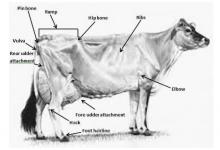
Traits that support high production or increase animal’s ability for longer productive life are very important to breed future cows and buffaloes.Traditionally, the farmers in India had been p
Posted on Wednesday, September 3, 2014 - 3:49pm
Posted on Wednesday, September 3, 2014 - 1:08pm
TRANS-FATTY ACIDS AND CHOLESTEROL IN MILK AND DAIRY PRODUCTS
• Introduction
• Trans-Fatty Acids
• Cholesterol
• Epilogue
Posted on Wednesday, September 3, 2014 - 12:26pm
Posted on Wednesday, September 3, 2014 - 12:26pm
Posted on Wednesday, September 3, 2014 - 12:25pm
Posted on Wednesday, September 3, 2014 - 12:24pm
Posted on Wednesday, September 3, 2014 - 12:20pm
Posted on Wednesday, September 3, 2014 - 12:19pm
Posted on Wednesday, September 3, 2014 - 12:18pm
Posted on Tuesday, September 2, 2014 - 5:09pm
ORGANOPHOSPHOROUS (OP) POISONING
Posted on Tuesday, September 2, 2014 - 5:06pm
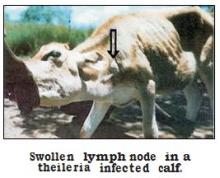
- Young exotic and crossbred cattle are highly susceptible. Indian breeds of cattle (Zebu) are comparatively resistant.
- Buffaloes are also infected but symptoms are mild.
Posted on Tuesday, September 2, 2014 - 3:06pm
Posted on Tuesday, September 2, 2014 - 3:02pm
- The most frequent cause of cyanide poisoning is ingestion of certain plants. These include arrow grass, velvet grass, young plants of Sorghum species, tapioca leaves etc.